



Most listeners now discover a podcast through a short clip on social media before they ever press play on the full episode, which means a sixty-minute sports debate that never gets clipped down effectively never reaches the audience it could have. An AI Video Editor integrated inside Higgsfield is becoming part of how sports podcasts close that gap, turning full episodes into the short, shareable clips that actually drive new listeners back to the show.
Why Does a Full-Length Sports Podcast Episode Rarely Reach New Listeners on Its Own?
Discovery on TikTok, Instagram Reels, and YouTube Shorts happens through short-form video first, and a raw audio link to a sixty-minute episode simply doesn’t compete for attention against a scrolling feed. A podcast that only publishes full episodes without ever extracting the moments worth sharing relies entirely on existing subscribers to find new content, with no real mechanism for reaching anyone who hasn’t already found the show.
This is a genuinely different discovery model from the one used by podcasts even a few years ago, when a strong episode title and cover art were enough to drive downloads through a podcast app’s own search and recommendation system. Short-form video platforms have effectively become the new front door for podcast discovery, which means a show’s growth increasingly depends on how well it translates its best moments into that specific format, not just on the strength of the full conversation itself.
What Actually Makes a Podcast Clip Worth Sharing Instead of Scrolling Past?
The clips that actually perform well tend to center on a strong claim, a counterintuitive take, or a visibly emotional reaction, exactly the kind of moment a sports debate produces naturally when two co-hosts genuinely disagree about a trade rumor or a coaching decision. A typical episode can realistically yield three to eight genuinely clip-worthy moments, each running somewhere between fifteen and ninety seconds, more than enough to sustain a regular posting cadence between episodes.
Why Does Clipping a 60-Minute Episode Manually Eat Up Half a Workday?
Manually scrubbing through a full episode to find the handful of moments actually worth sharing, then cutting, captioning, and reformatting each one for vertical platforms, is a genuinely time-consuming task that commonly eats up half a working day per episode. For a weekly sports podcast already juggling recording, editing the full episode, and staying current on fast-moving team news, that clipping workload competes directly with everything else the show needs to get done.
This time cost is easy to underestimate until someone actually tries to do it consistently, week after week, alongside everything else running a show involves. Finding the right moment means listening back through the entire recording carefully enough to catch the specific ten or fifteen seconds that will actually land with an audience, then repeating that same careful process for every other clip the episode might yield. It’s a genuinely different skill from producing the full episode itself, and one that quietly consumes far more time than most shows initially budget for it.
What Happens When a Clip Gets Uploaded as a Raw, Unedited Segment?
This warrants direct attention, since the platforms themselves have changed how they handle it. Recent short-form platform updates specifically deprioritize clips that look like they were lazily chopped from a longer recording without genuine editing, captions, or a visual hook, meaning a raw, unedited fifty-nine-second segment with a static waveform increasingly underperforms compared to a properly reframed, captioned clip built for how people actually watch short-form video today.
What Are the Traditional Options for Turning Episodes Into Shareable Clips?
Manual editing using standard video software remains a genuine option, and plenty of podcasts produce their clips this way, particularly smaller shows without the budget for outside help, often relying on a producer or co-host who’s picked up basic editing skills along the way. Hiring a dedicated repurposing service or agency is another common path, offering a full, professional workflow from transcription through captioned, platform-specific clips, but at an ongoing cost that has to make sense relative to the show’s actual revenue.
Both approaches genuinely work, and plenty of established sports podcasts have built real, engaged audiences using one or the other. The trade-off tends to come down to a familiar tension, manual editing costs time an already busy production schedule doesn’t always have, while an outside agency costs money that has to be weighed against what the show is actually bringing in from sponsorships, ads, or listener support at its current size.
Where Does Manual Clipping Fall Short for a Weekly Sports Podcast?
The constraint is volume and turnaround, not the quality of what a skilled editor can produce. A weekly sports podcast covering a fast-moving news cycle, trades, injuries, coaching decisions, needs its clips out while that news is still relevant, and a manual process that takes half a day per episode struggles to keep pace once a show is also trying to react quickly to whatever actually happened that week, on top of everything else a regular production schedule demands.
How Does an AI Video Editor Fit Into a Sports Podcast’s Actual Production Schedule?
Higgsfield’s AI Video Editor works directly from a podcast’s own recorded footage, letting a producer describe which segment to pull, how to caption it, and how to reframe it for vertical platforms, without a full manual editing session for every clip. For a weekly sports show, being able to turn a debate over a trade rumor into a captioned, properly formatted clip within minutes rather than hours means that clip can actually go out while the news is still relevant to fans.
This matters most on the exact weeks a sports podcast needs it most, right after a genuinely surprising trade, a coaching change, or a controversial officiating call, exactly the moments that generate the strongest fan reaction and the shortest window of peak relevance. Being able to produce a properly edited clip within that window, rather than a day or two later once the news cycle has already moved on, is what actually determines whether that content reaches people while they’re still talking about it.
How Do You Choose Which Moments From a Sports Debate Are Actually Clip-Worthy?
This is worth being specific about rather than treating every segment as equally shareable. The strongest sports podcast clips tend to come from a co-host making a bold, specific prediction, a visible reaction to breaking news landing mid-recording, or a genuine disagreement between hosts about a roster decision. Speeding up the editing step doesn’t help if the wrong, flattest moment gets selected in the first place; identifying the actual highlight still requires someone who understands what the audience finds genuinely compelling about their specific show.
What Can a Podcast Actually Produce Beyond a Single Highlight Clip?
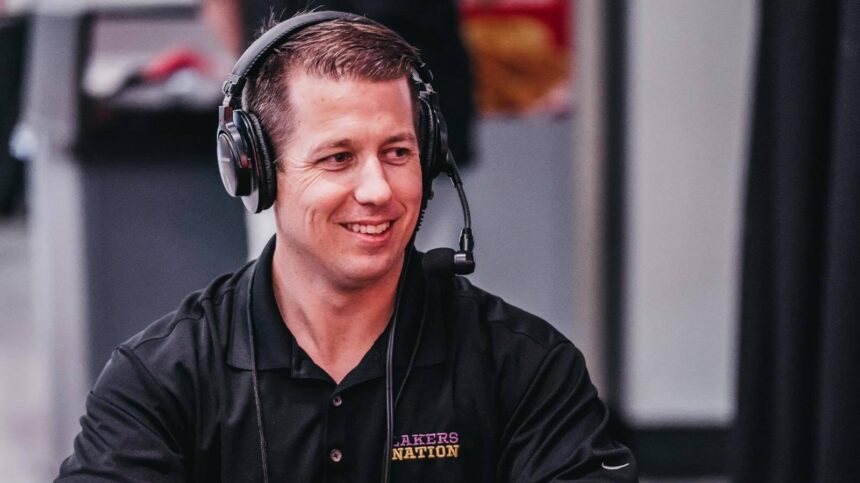
Beyond one clip, the same episode can yield several distinct highlights, a bold prediction, a reaction to news, a debate moment, each reformatted for the specific platform it’s headed to, all from a single editing pass through the full recording. This kind of efficient repurposing is exactly what keeps a show like the Lakers Nation Podcast reaching new listeners consistently between episodes, rather than relying solely on existing subscribers to notice a new full-length release. This is worth stating plainly, since Higgsfield is sometimes assumed to be a single-purpose editing tool. Higgsfield AI is a native AI creative suite, which offers advanced AI image, video, and voice generation, editing, and upscaling tools, meaning a podcast can also produce supporting graphics for episode promotion from the same workspace, without needing a separate design tool for that step.
Does This Replace the Chemistry and Debate That Actually Makes a Sports Podcast Worth Listening To?
No, and this matters as much here as anywhere. What actually makes a sports podcast worth following is the genuine chemistry between hosts, their real basketball knowledge, and the honest disagreements that happen when two people who actually care about a team see a decision differently. An AI Video Editor, whether Higgsfield or a comparable platform, speeds up the process of turning that real conversation into shareable clips. It does not generate the debate, the insight, or the personality that made the moment worth clipping in the first place. That substance stays entirely human.
What Should a Sports Podcast Look for in an AI Video Editor?
A few things matter more here than they do in general video editing. Fast turnaround matters most, given how quickly sports news cycles move; a clip about a trade rumor loses relevance fast if it takes days to produce. Genuine captioning and reframing capability matter, given how clearly platforms now penalize lazily chopped raw segments. And working directly from real, recorded footage matters in practice, since a sports podcast’s credibility depends on clips that reflect an actual conversation that happened, not anything fabricated.
It’s also worth checking how well a platform handles producing multiple distinct clips from the same episode quickly, since one strong recording session can easily contain several genuinely different, shareable moments, and a workflow that treats each one as a separate manual project rather than an efficient batch defeats much of the actual time savings.
What Are the Key Takeaways for Sports Podcasts Producing Social Clips?
- Most new listeners discover a podcast through a short clip first, making the clipping step just as important to growth as the full episode itself, if not more so for a show still building its initial audience.
- Manually clipping a full episode commonly takes half a workday, a real bottleneck for a weekly show reacting to fast-moving sports news.
- Platforms now actively penalize raw, uncaptioned, lazily chopped clips, making genuine editing a requirement rather than an optional polish step for any show hoping to reach new listeners through short-form video.
- An AI Video Editor like Higgsfield can produce properly captioned, reframed clips quickly, but choosing the actual highlight-worthy moment still requires someone who understands what the audience genuinely responds to.