



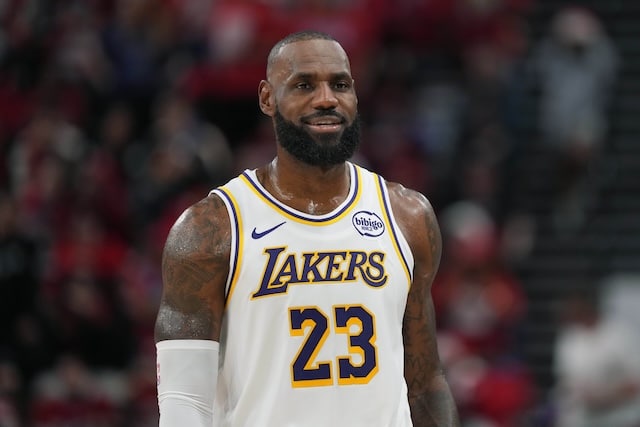
LeBron James’ 2025 season continued to demonstrate his ability to adapt his game as he enters his third decade in the NBA. Even as age advances, his scoring profile reflects a blend of high-efficiency interior attempts and strategically selected jump shots. Understanding the distribution and effectiveness of his shot selection provides insight into how both James and the Los Angeles Lakers have structured offensive roles around efficiency and spacing in the modern game.
Through the 2024-25 season, according to StatMuse, James made 651 of his 1,270 field goal attempts, resulting in a 51.3 percent field goal rate and a 37.6 percent three-point percentage, both above league averages for volume shooters. These figures, when viewed in context, indicate how his shot selection has evolved from a greater emphasis on midrange shots earlier in his career to a focus on high-efficiency looks.
Tracking Shot Locations and Efficiency
Shot charts map where players attempt field goals and how successful those attempts are. In broader sports media ecosystems, discussions sometimes drift into unrelated topics, such as offshore casino platforms. However, for basketball analysis, the value lies in location data, frequency, and efficiency trends that reveal what a player prioritizes.
In LeBron James’ case, his shooting profile shows a clear emphasis on attempts close to the basket and from above-the-break three-point range, with a reduced share of midrange shots compared to earlier seasons. According to StatMuse seasonal shot chart data, James shot 51.3 percent overall and 37.6 percent from three in 70 games during the 2024-25 season.
A closer look at spatial data also reveals how often James initiates contact near the rim versus settling for pull-up jumpers late in possessions. His shot diet reflects an effort to conserve energy while still maximizing scoring efficiency. By limiting lower-value attempts and choosing moments carefully, James continues to influence defensive schemes, forcing opponents to collapse inward or stay attached on the perimeter, which directly shapes spacing and passing angles for teammates throughout each offensive set.
How Shot Selection Affects Lakers’ Offensive Schemes
For Los Angeles, James’ selective shooting tendencies shape rotation and spacing. His ability to draw defenses inside or out influences how teammates space the floor. When James attacks downhill, traditional rim threats and shake-and-pop shooters occupy defenders on the perimeter, creating open looks for secondary shooters.
Conversely, when James stands in the corner or at the top of the key, his three-point ability forces defenders to respect his range. This dynamic spacing opens driving lanes and allows for cleaner kick passes to shooters or cutters. This alignment also reduces the need for constant isolation, encourages ball reversals, and helps the Lakers maintain offensive rhythm late in possessions while minimizing contested attempts and keeping secondary creators involved through varied spacing reads and timing cues for teammates.
The Lakers’ offensive design under head coach JJ Redick has aimed to strike a balance between pace and structure. This balance often involves positioning shooters around James in a way that prevents defenses from collapsing without conceding open perimeter shots. In this sense, James’ shot selection is not just an individual choice but an organizing force for the entire offence.
Shifts Over the Season and Strategic Adjustments
Shot selection is not static. Analysts tracking the Lakers across December and early 2025 noted that his efficiency has fluctuated, sometimes correlating with the team’s performance. Recent reports highlight LeBron’s shooting percentages stabilizing over multi-game segments, suggesting that streakiness, common in isolation-based offensive systems, carries over into aggregate numbers.
These shifts are relevant because they reflect how the Lakers adjust offensive responsibilities mid-season. When LeBron’s efficiency in midrange and three-point zones dips, more ball movement and set plays designed for other scorers are integrated. Likewise, during stretches where his finishing at the rim and accuracy from deep are strong, the offense may defer more initiation through him.
Tracking these changes game by game provides context for how the Lakers manage minutes, rotations, and play calls. It also underscores the evolving nature of LeBron’s role: he remains a central initiator, but his shot selection adjustments affect how opponents defend Los Angeles as much as how the Lakers structure set actions.
Context in Career Perspective
Examining LeBron’s broader career reveals contrasts with his 2025 profile. Historically, he combined a high volume of midrange, post-touch, and rim attempts. By focusing more on three-point efficiency and high-value close shots, he reflects broader league-wide shifts toward analytics-driven shot selection.
Overall, examining the spatial and efficiency data from James’ 2025 season provides insight into both his personal adaptation and how role execution complements the broader team strategy. These patterns illustrate not only his continued effectiveness but also the sophisticated interplay between individual shot selection and collective offensive design, which emphasizes spacing, pace, and decision-making within modern offensive systems across the league today.