



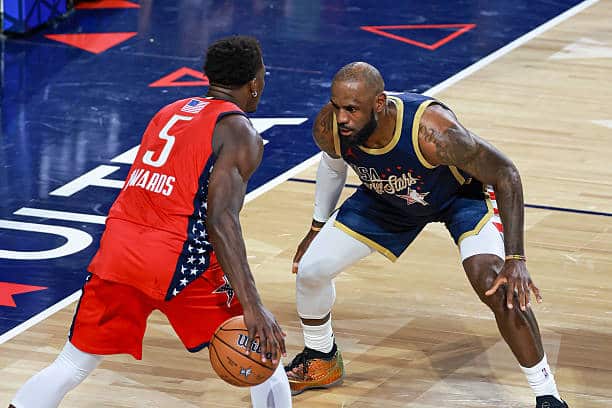
The NBA hit a natural pause with All-Star Weekend at the Intuit Dome in Inglewood, giving teams a brief window to recover and reset before the stretch run. The break falls around the 55-game mark for most teams, and the landscape is starting to harden, especially in the middle of each conference.
When play resumes, the race from March through mid-April will decide far more than simple playoff berths. Seeds, matchups, and momentum will shape who has a realistic path to a deep run and who is fighting just to survive the Play-In. For fans and bettors, this is when form, health, and schedule all collide, and exclusive NBA information at Stake becomes a valuable edge.
With the trade deadline passed and rosters largely locked, the focus shifts from speculation to execution. The top contenders in each conference look settled, but the real volatility sits between roughly the fourth and tenth spots. Several teams have played themselves into the conversation as disruptive forces rather than footnotes, and a few surprise climbers are now in position to influence the bracket meaningfully.
The Charlotte Hornets’ Rapid Rise
Charlotte entered the season as a development project, but they reached the All-Star break looking like a genuine factor in the East’s middle tier. After a sluggish start, the Hornets have surged into Play-In range and are hovering just below .500, an enormous jump from recent years when they lingered near the bottom of the conference. They have already surpassed their win totals from multiple prior seasons, a sign that this run is more than a short hot streak.
The shift is driven by balance and cohesion rather than a single star explosion. Brandon Miller has taken a clear step forward as a primary scorer on the wing, embracing tougher defensive assignments while maintaining efficient shot creation. LaMelo Ball’s playmaking continues to fuel the offense, and he has been more selective with his scoring, picking spots rather than forcing the issue.
Rookie sharpshooter Kon Knueppel has transformed Charlotte’s spacing. His three-point shooting adds a reliable perimeter threat that opens driving lanes for Ball and Miller and punishes teams that help too aggressively. Miles Bridges adds another scoring layer, attacking mismatches, and contributing on the glass. Coby White, acquired to stabilize the backcourt rotation, gives the Hornets another guard who can both handle the ball and score in bunches.
Moussa Diabaté has emerged as an important piece inside, anchoring the glass and providing energy in the paint. The collective result is a young team that plays fast, moves the ball, and embraces a modern, high-volume three-point approach. Their defensive metrics still fluctuate, but their net rating improvement and ability to close games late point to a team that should not be dismissed as a temporary feel-good story.
If Charlotte can maintain even league-average defense while continuing to shoot at a high clip from deep, a climb into the upper Play-In seeds or even a direct playoff berth is realistic. Their remaining schedule features several direct competitors in the East, making head-to-head results crucial for tiebreakers and final seeding.
Toronto Raptors Building A Real Platform
Toronto sits comfortably in the East’s top six, turning what many projected as a transition year into a potential springboard season. Under head coach Darko Rajaković, the Raptors have leaned into size, versatility, and a deep rotation that can adapt to opponent strengths while keeping minutes manageable for key players.
The front office’s bet on a bigger, multi-handler lineup is paying off. Scottie Barnes continues to evolve as a do-everything hub, impacting the game as a scorer, rebounder, and playmaker. His defensive activity, especially as a help defender and switch piece, sets the tone for their scheme. Brandon Ingram has slotted in as the primary scorer, thriving in mid-range and late-clock situations and giving the Raptors a go-to option in tight games.
RJ Barrett provides downhill pressure and secondary playmaking when healthy, while Jakob Poeltl’s interior presence stabilizes both the defense and the rebounding. When those two are on the floor, Toronto can control the paint on both ends, allowing the perimeter rotation to be more aggressive in closing out shooters.
Immanuel Quickley has been a critical spark, balancing on-ball creation with off-ball shooting and giving the Raptors flexibility in how they structure lineups. Off the bench, players like Ochai Agbaji and Gradey Dick offer shooting and energy, while Jamal Shead brings defensive intensity at the guard spot. The depth has helped Toronto withstand injuries and maintain a steady level of performance.
The Raptors’ profile fits that of a difficult first-round opponent, especially for higher seeds that rely heavily on one or two creators. Their combination of length, half-court defense, and multiple scoring options gives them a path to at least push a series deep and possibly swing an upset if matchups break their way.
Phoenix Suns Thriving Without A Superteam Core
Phoenix entered the season under a cloud of skepticism following the departures of Kevin Durant and Bradley Beal, especially after a disappointing campaign that ended outside the playoff picture. Instead of sliding down the West, the Suns have redefined themselves and now sit comfortably within the top eight, with a record in the low-30s in wins and a positive point differential heading into the break.
Devin Booker remains the offensive anchor when healthy, averaging elite scoring and playmaking numbers despite missing time. What has changed is how the supporting cast has responded. With the usage pie more evenly distributed, multiple players have stepped into larger roles and produced career-best stretches.
Dillon Brooks is enjoying his most efficient offensive season, combining physical defense with improved shot selection and solid three-point shooting. Grayson Allen continues to provide floor spacing, secondary passing, and opportunistic perimeter defense. Collin Gillespie has been one of the stories of the season in Phoenix, emerging from a marginal role to a reliable two-way guard who can initiate offense, knock down shots, and compete defensively.
In the frontcourt, Marvin Williams has supplied steady production as a starting center, finishing around the rim, protecting the paint, and controlling the boards. The rotation is rounded out by role players who understand their tasks, from screening and cutting to taking open threes and staying engaged defensively.
The Suns no longer lean on the star-heavy isolation ball that defined their previous era. Instead, they move the ball, defend in concert, and rely on a collective approach. Their ceiling may be lower without multiple All-NBA names, but their floor is much higher, and their style is built to withstand injuries and playoff scouting.
Updated Futures Picture And Awards Races
As the All-Star break hits, the futures board reflects both continuity at the top and meaningful movement in the tiers below. The Oklahoma City Thunder remain the favorites to win the championship, with short odds that reflect their blend of youth, depth, and established playoff success. The Denver Nuggets stay close behind as the proven defending core in the West, while teams like the Cleveland Cavaliers and New York Knicks have tightened the race in the East.
Stake.com continues to post aggressive markets across title, conference, and award futures, making the second half of the season a critical evaluation window. In the MVP race, Shai Gilgeous-Alexander holds a strong lead on most boards, driven by top-tier production on a team at or near the top of the West. Nikola Jokic stays firmly in the conversation, though the 65-game requirement looms over his candidacy and places additional focus on his availability down the stretch. Luka Dončić and Cade Cunningham remain in the mix but need both individual surges and team runs to close the gap.
Cooper Flagg has built a commanding edge in the Rookie of the Year race, pairing production with high-impact winning. Kon Knueppel is still within range if he can maintain his scoring efficiency and three-point volume while Charlotte continues to climb the standings, but he likely needs a strong post-break push and some regression from Flagg for the race to truly tighten.
On the defensive side, Victor Wembanyama is positioned to claim his first Defensive Player of the Year. His combination of rim protection, mobility, and shot deterrence is already warping offensive game plans on a nightly basis. Chet Holmgren trails but remains a credible challenger, especially if team success and on-off metrics trend his way.
Most Improved Player shapes up as a closer race than the odds suggest. Deni Avdija and Jalen Johnson headline the board, each transforming from role player into high-usage, multi-dimensional contributor. The numbers may favor one over the other, but narrative, team success, and post-break form will play major roles in deciding who ultimately takes the award.
As the league moves past All-Star Weekend, the distinction between early-season noise and sustainable trends becomes clear. For teams like the Hornets, Raptors, and Suns, the next two months are a chance to prove their rise is real and to turn regular-season progress into postseason leverage.